Retinol vs Retinal vs Retinoid: Which Is Better for Your Skin?
Retinol vs retinal vs retinoid: which is better? The answer depends on your skin concerns, experience with vitamin A skincare, and tolerance for irritation. Retinol is often a practical starting point for beginners, retinal can be a useful option for people seeking another over-the-counter anti-aging treatment, and certain prescription retinoids have stronger clinical evidence for treating acne and photoaging.
However, there is an important distinction: retinoid is an umbrella term that includes both retinol and retinal. Therefore, comparing all three as completely separate ingredients can be misleading.
Retinol and retinal are both vitamin A derivatives. Other retinoids include tretinoin, adapalene, tazarotene, and various retinyl esters. These ingredients differ in their chemical structures, clinical evidence, formulations, and potential side effects.
This comprehensive guide examines their differences, benefits, limitations, and clinical research to help you understand which option may be appropriate for your skincare goals.
Quick Answer: Which Is Better, Retinol, Retinal, or Retinoid?
For most people, choosing the right product matters more than choosing the ingredient with the strongest reputation.
Best starting option for many beginners: A low-strength retinol product introduced gradually.
Alternative for experienced skincare users: A well-formulated retinal product, particularly when targeting visible signs of photoaging.
Best-established topical treatments for acne: Evidence-based medications such as adapalene or prescription tretinoin, selected according to acne severity.
For significant photoaging: Prescription tretinoin has extensive supporting clinical evidence, although irritation and individual tolerability must be considered.
For sensitive or easily irritated skin: A conservative skincare routine and professional advice may be preferable to immediately starting a retinoid.
Bottom line: Retinal is one metabolic step closer to retinoic acid than retinol, but that does not automatically prove that every retinal product works faster or better than every retinol product. Concentration, stability, formulation, adherence, and skin tolerance also affect outcomes.
Retinol vs Retinal vs Retinoid: Comparison Table
| Feature | Retinol | Retinal | Retinoid |
|---|---|---|---|
| Definition | A specific vitamin A derivative | A specific vitamin A derivative, also called retinaldehyde | A broad family of vitamin A-related compounds |
| Relationship | Member of the retinoid family | Member of the retinoid family | Includes retinol, retinal, and prescription treatments |
| Conversion to retinoic acid | Usually described as two metabolic steps | Usually described as one metabolic step | Depends on the specific compound |
| Main skincare applications | Fine lines, uneven tone, texture | Photoaging, texture, uneven appearance | Varies; some are approved acne medications |
| Irritation potential | Varies by product and concentration | Varies by product and concentration | Varies considerably across the family |
| Availability | Generally over the counter | Generally over the counter | Includes cosmetic and prescription products |
| Suitable for beginners? | Often, when introduced gradually | Potentially, depending on formulation | Depends on the specific ingredient |
| Clinical evidence | Evidence supports improvement in photoaged skin | Clinical studies support improvement in photoaged skin | Some prescription members have extensive clinical evidence |
What Is a Retinoid?
A retinoid is a compound belonging to a broad family of vitamin A derivatives and related molecules. Dermatology uses this term for numerous ingredients and medications that influence skin cell differentiation, keratinization, and other biological processes.
Retinoids are frequently discussed for their ability to improve the appearance of photoaged skin and, in the case of certain approved medicines, treat acne.
Common Types of Retinoids
Retinol: A vitamin A alcohol commonly used in cosmetic skincare.
Retinal: Also known as retinaldehyde, an intermediate in vitamin A metabolism.
Tretinoin: All-trans-retinoic acid, a topical medication with established dermatological uses.
Adapalene: A synthetic retinoid primarily used for acne treatment.
Tazarotene: A prescription retinoid used for selected dermatological conditions.
Retinyl palmitate: A retinyl ester used in some cosmetic formulations.
Retinyl propionate: Another ester derivative of retinol found in skincare formulations.
The clinical effects of these compounds cannot be accurately described using one universal strength ranking. Their pharmacology, applications, formulation properties, and evidence bases differ.
What Is Retinol?
Retinol is a vitamin A alcohol widely used in over-the-counter skincare products intended to improve the appearance of fine lines, uneven pigmentation, and skin texture.
Its molecular formula is C20H30O, and its CAS number is 68-26-8.
Retinol can be converted into retinal and subsequently into retinoic acid through metabolic processes in the skin.
Benefits of Retinol
May reduce the appearance of fine lines and wrinkles with consistent use.
Can improve uneven skin texture and tone.
May improve some forms of hyperpigmentation related to photoaging.
Is available in a wide range of cosmetic formulations.
Offers formulation choices for people beginning vitamin A skincare.
Clinical studies support the anti-aging potential of topical retinol, although results depend on concentration, formulation, duration, and individual skin response.
Disadvantages of Retinol
Retinol can cause dryness, redness, peeling, and irritation. It is also sensitive to environmental conditions such as oxygen, light, and heat, making appropriate formulation and packaging important.
Because retinol requires metabolic conversion, it is sometimes described as less directly active than retinoic acid. However, conversion steps alone cannot establish how a finished product will perform clinically.
What Is Retinal (Retinaldehyde)?
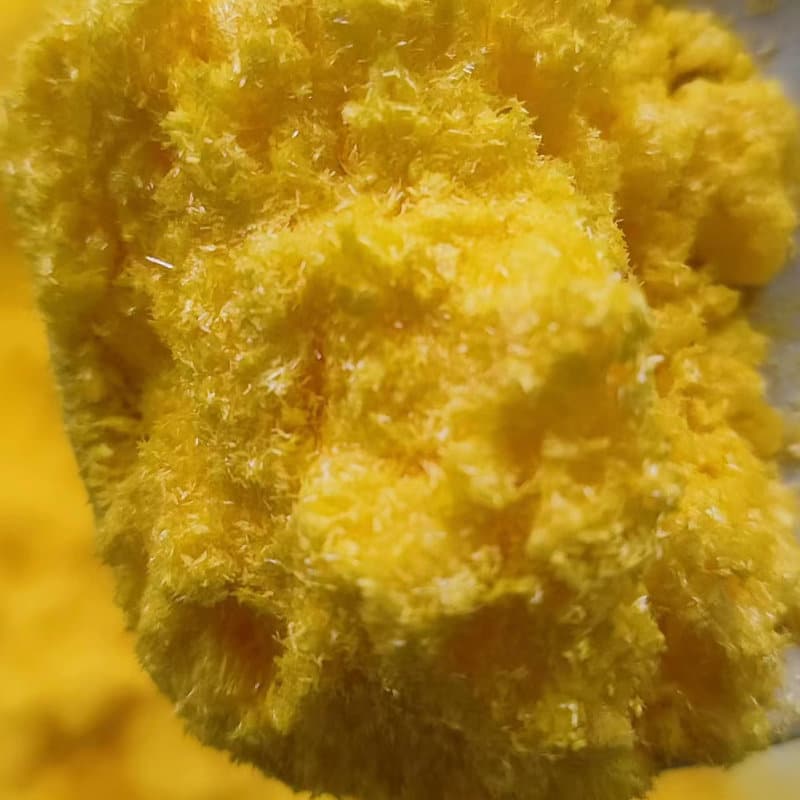
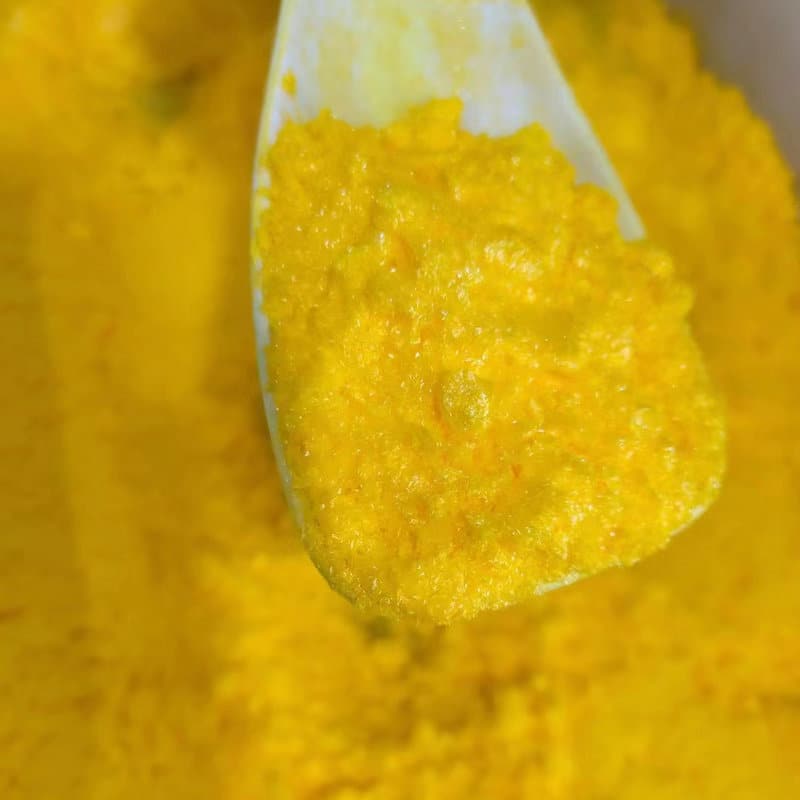
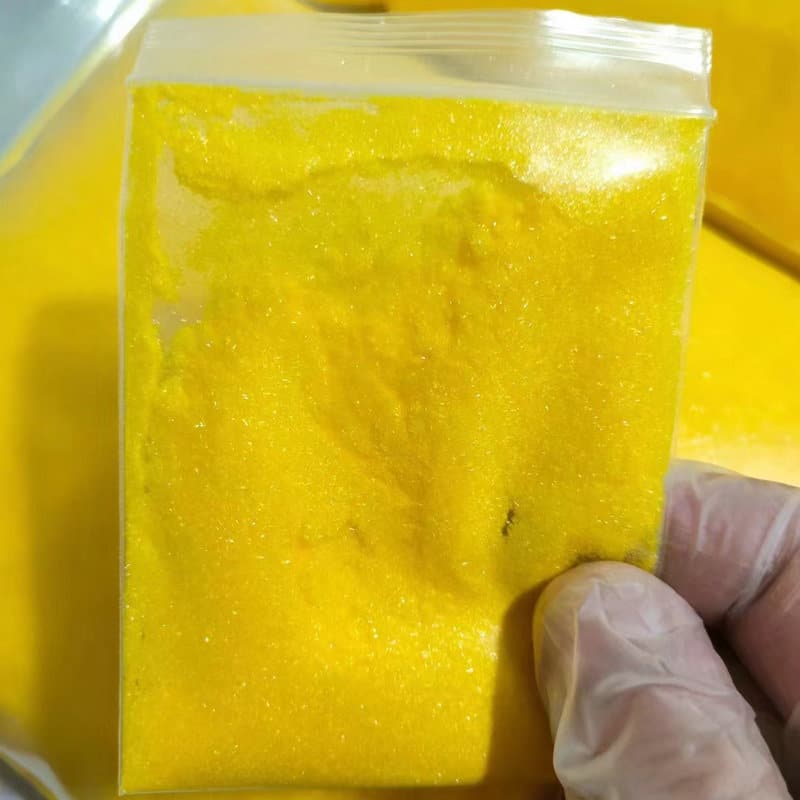
Retinal, also known as retinaldehyde, is another member of the retinoid family. It is an aldehyde form of vitamin A and a metabolic intermediate between retinol and retinoic acid.
Its molecular formula is C20H28O, and its CAS number is 116-31-4.
Retinal is commonly included in skincare products intended to address visible signs of skin aging, uneven tone, and rough texture.
Benefits of Retinal
Requires one principal oxidation step to form retinoic acid.
Has clinical research supporting improvements in photoaged skin.
Can improve the appearance of wrinkles and skin texture.
Is available in nonprescription cosmetic formulations in many markets.
Provides another option for consumers comparing vitamin A derivatives.
A 2018 randomized controlled trial involving 40 women examined creams containing 0.05% and 0.1% retinaldehyde over three months. Both groups showed improvements in skin texture and hydration. The investigators reported no statistically significant differences between concentrations for several measured outcomes, although the 0.1% product improved the melanin index.
This study demonstrates that retinal formulations can provide measurable benefits, but it does not establish that retinal is universally superior to retinol.
How Do Retinol and Retinal Work in the Skin?
Understanding the metabolic relationship between retinol, retinal, and retinoic acid helps explain why these ingredients are frequently compared.
The Vitamin A Conversion Pathway
Retinol → Retinal → Retinoic Acid
Retinol is converted to retinal through oxidation. Retinal can then be oxidized to retinoic acid, an active signaling molecule that interacts with retinoic acid receptors.
These receptors influence gene expression involved in epidermal differentiation and other skin processes.
The pathway is more complex than a simple linear strength scale. Enzyme activity, the amount of ingredient delivered, compound stability, and the vehicle carrying the ingredient all influence biological availability.
Does Fewer Conversion Steps Mean Better Results?
Not necessarily.
Retinal is metabolically closer to retinoic acid than retinol. This is a meaningful biochemical distinction, but it does not justify claims that retinal is always a fixed number of times stronger, faster, or more effective.
For example, comparing a highly stable, appropriately formulated retinol product with a poorly stabilized retinal product may produce different results than comparing their chemical structures alone would suggest.
Reliable conclusions about comparative effectiveness require properly designed clinical studies that examine actual finished formulations.
Retinol vs Retinal: Which Is Better for Wrinkles?
Both retinol and retinal have evidence supporting their use in skincare products targeting signs of photoaging.
Retinol has been investigated for its ability to influence the appearance of wrinkles, skin texture, and age-related changes. Retinaldehyde has also been evaluated in clinical studies involving photodamaged skin.
What Does Clinical Research Show?
A review published in Pharmaceutics in 2022 examined clinical evidence for topical retinoids in anti-aging applications. It described studies supporting the effectiveness of both retinol and retinaldehyde formulations while highlighting important differences in study design and formulation.
Clinical evidence for prescription tretinoin is particularly extensive. However, tretinoin can produce more irritation than some cosmetic retinoid products.
Another randomized, split-face study directly compared retinaldehyde formulations with corresponding retinol formulations. Such studies are useful because they assess real products rather than simply assuming outcomes from conversion pathways.
Practical recommendation: Someone new to retinoids may prefer to begin with a low-strength retinol product. A person who already tolerates vitamin A skincare may consider a retinal formulation. For more significant photoaging, consultation with a dermatologist about prescription options may be appropriate.
Which Is Better for Acne: Retinol, Retinal, or Retinoids?
For acne, the specific retinoid matters considerably.
Topical adapalene and tretinoin have established roles in acne management. They help normalize follicular keratinization and reduce comedone formation, making them useful in evidence-based acne treatment plans.
Retinol is primarily marketed for cosmetic skin concerns, while retinal is also commonly used in cosmetic skincare. Neither should automatically be considered equivalent to an approved acne medication.
For Mild Acne
Some people with mild comedonal acne may benefit from an appropriately selected topical retinoid treatment. Adapalene is available without a prescription in certain markets, including some formulations in the United States.
For Moderate or Persistent Acne
A dermatologist may recommend prescription retinoids or combination treatments depending on the type and severity of acne.
For Acne-Prone Skin Seeking Cosmetic Anti-Aging Care
Retinol or retinal may be considered for cosmetic skin concerns, but consumers should distinguish improvements in skin appearance from clinically established acne treatment outcomes.
Verdict: For treating acne as a medical condition, approved topical retinoid medications generally have a clearer evidence base than cosmetic retinol or retinal products.
Retinol vs Retinal: Which Is Better for Sensitive Skin?
Neither ingredient is automatically irritation-free.
Retinoid-related irritation can involve redness, dryness, peeling, stinging, or temporary discomfort. The risk depends on the formulation, application frequency, concentration, individual skin condition, and other products used in the routine.
People with sensitive skin may benefit from starting with a lower-strength formulation and using it less frequently.
Tips for Reducing Irritation
Introduce one retinoid product at a time.
Begin with application on two nonconsecutive nights per week if tolerated.
Apply the amount recommended by the product or prescribing clinician.
Use a fragrance-free moisturizer to help support the skin barrier.
Avoid unnecessarily combining multiple irritating active ingredients during the adjustment period.
Reduce application frequency or stop if significant irritation develops.
Consult a dermatologist if you have persistent inflammation, eczema, rosacea, or a compromised skin barrier.
The American Academy of Dermatology recommends introducing retinoid products cautiously rather than immediately choosing the most intense option.
Which Retinoid Is Best for Different Skin Types?
| Skin Concern | Option to Consider | Reason |
|---|---|---|
| Beginner skincare routine | Low-strength retinol | Offers a gradual introduction to vitamin A skincare |
| Fine lines and uneven texture | Retinol or retinal | Both have supporting clinical evidence |
| Experienced retinoid user | Retinal | Provides an alternative vitamin A formulation to evaluate |
| Comedonal acne | Adapalene or another appropriate acne retinoid | Established evidence for acne treatment |
| Significant photoaging | Dermatologist-guided tretinoin | Extensive clinical evidence for photoaging |
| Highly sensitive or inflamed skin | Professional assessment before use | Retinoids may worsen existing irritation |
| Pregnancy | Avoid retinoids | Dermatological guidance advises against use during pregnancy |
These recommendations are general educational guidance. Individual treatment decisions should consider medical history, skin tolerance, and local product regulations.
How Long Does It Take to See Results?
Retinoid skincare generally requires consistent use over time. Immediate changes should not be expected, particularly for concerns such as wrinkles and photoaging.
Some users may notice changes in skin texture earlier, while visible improvement in pigmentation and fine lines can take several months.
Clinical trials frequently assess outcomes over approximately 12 weeks or longer, although their duration varies.
The time required depends on the ingredient, concentration, finished formulation, skin condition, and how consistently the treatment is used.
Important: There is insufficient evidence to guarantee that retinal produces visible results in a specific number of days or that it is universally faster than retinol.
Can You Use Retinol and Retinal Together?
Using retinol and retinal together in the same routine is usually unnecessary for people seeking ordinary cosmetic anti-aging benefits.
Both belong to the same ingredient family, and combining separate products may increase cumulative irritation without demonstrating an equivalent improvement in results.
For most consumers, selecting one suitable retinoid product and using it consistently is a more practical approach.
If a formulated product contains multiple vitamin A derivatives, its suitability should be assessed as a finished formulation rather than assuming that every combination is unsafe or beneficial.
People using prescription tretinoin, adapalene, or other medicated retinoids should seek professional guidance before adding another retinoid.
How to Use Retinol or Retinal Safely
Proper use is essential regardless of which retinoid you choose.
Step 1: Cleanse Gently
Wash your face with a gentle cleanser and allow the skin to dry according to the product instructions.
Step 2: Apply a Small Amount
Apply the recommended amount of retinol or retinal evenly, avoiding direct contact with the eyes, lips, and irritated areas unless the product is specifically designed for those locations.
Step 3: Moisturize
Apply a suitable moisturizer to reduce dryness and support comfort. Some people benefit from applying moisturizer before or after their retinoid.
Step 4: Start Slowly
Begin with occasional evening application and increase frequency only as tolerated and as permitted by product instructions.
Step 5: Use Sunscreen
During the day, use a broad-spectrum sunscreen with SPF 30 or higher, alongside other sun-protection measures. Sun protection is important for anyone managing photoaging or hyperpigmentation.
Step 6: Monitor Your Skin
If significant redness, burning, cracking, swelling, or prolonged irritation occurs, discontinue the product and consult a healthcare professional.
Are Retinol, Retinal, and Retinoids Safe During Pregnancy?
The American Academy of Dermatology advises avoiding retinoids during pregnancy, including over-the-counter retinol skincare and prescription retinoid treatments.
People who are pregnant, planning pregnancy, or breastfeeding should discuss their skincare ingredients and medications with an appropriately qualified healthcare professional.
Oral isotretinoin has particularly serious pregnancy-related risks and is subject to strict prescribing precautions.
Do not assume that retinal is pregnancy-safe simply because it appears in a cosmetic product.
Does Retinoid Concentration Determine Strength?
Concentration is important, but it cannot be considered independently from the identity and formulation of the ingredient.
For example, comparing the percentage of retinol in one product with the percentage of retinal in another does not provide a reliable direct measurement of clinical potency.
Both delivery efficiency and chemical stability can influence the amount of active material available in the skin.
Furthermore, comparing retinol percentages with prescription tretinoin percentages does not establish a clinically validated conversion ratio.
Consumers should therefore avoid relying on simple claims such as one percentage of retinal being equivalent to a fixed percentage of retinol.
Why Formulation and Stability Matter
Retinol and retinal contain chemical structures that can be sensitive to environmental exposure. Formulation technology is consequently an important consideration for manufacturers developing vitamin A skincare products.
Key formulation factors include:
Light exposure: Protective packaging and suitable storage can help reduce exposure-related degradation.
Oxygen exposure: Packaging and formulation strategies may be used to minimize oxidation.
Temperature: Appropriate storage conditions help maintain product quality.
Ingredient compatibility: Other components in the formula can influence stability and performance.
Delivery systems: Encapsulation and other technologies may affect ingredient protection and delivery, although performance requires verification.
Quality control: Analytical testing helps assess ingredient identity, purity, and stability.
For cosmetic formulators, the choice between retinol and retinal should consider not only the intended cosmetic benefit but also stability testing, regulatory requirements, ingredient specifications, and finished-product tolerability.
Retinol vs Retinal vs Retinoid: Frequently Asked Questions
1. Is retinal stronger than retinol?
Retinal is one conversion step closer to retinoic acid and is often described as a more directly active retinoid precursor. However, this does not mean every retinal product is clinically stronger than every retinol product. Formulation and concentration must also be considered.
2. Is retinoid better than retinol?
Retinol is itself a retinoid. When consumers ask this question, they often mean prescription retinoids such as tretinoin or acne treatments such as adapalene. These medications may be preferable for particular diagnosed skin conditions, but not necessarily for every cosmetic skincare routine.
3. What is the difference between retinal and retinoid?
Retinal is one specific retinoid. Retinoid is the broader category containing retinal, retinol, tretinoin, adapalene, and other related compounds.
4. Is retinal better than retinol for anti-aging?
Both can improve signs of photoaging. Retinal is an appropriate alternative to consider, but current evidence does not support declaring it universally superior to retinol in every formulation or for every individual.
5. Which is better for acne, retinol or retinal?
Neither cosmetic ingredient should automatically replace an approved acne medication. Retinoids such as adapalene and tretinoin have stronger established evidence for treating acne.
6. Which is safer for beginners?
A low-strength retinol product introduced gradually is often a reasonable starting point. However, tolerability depends on the whole formulation and the user's skin condition.
7. Can I use retinal every night?
Some people may tolerate nightly retinal use after gradually adjusting to a suitable product. Others may require less frequent application. Follow product instructions and reduce use if irritation occurs.
8. Can retinol and retinal be used together?
They can appear together in professionally designed formulations, but layering separate retinol and retinal products is generally unnecessary and may increase irritation.
9. Is tretinoin the same as retinol?
No. Tretinoin is all-trans-retinoic acid, while retinol is a vitamin A alcohol that undergoes metabolic conversion. They have different chemical identities and regulatory uses.
10. Which retinoid should I choose for dark spots?
The best choice depends on the cause of pigmentation. Retinol or retinal may help improve some forms of uneven tone, while prescription retinoids may be included in dermatologist-directed treatment plans. Daily sun protection is essential.
Final Verdict: Retinol vs Retinal vs Retinoid — Which Is Better?
There is no universally best retinoid for everyone. The appropriate choice depends on the desired outcome, clinical evidence, formulation quality, and individual tolerability.
Retinol is a practical option for many people beginning vitamin A skincare. Retinal offers a different chemical form with supporting clinical evidence for improvements in photoaged skin. Prescription retinoids such as tretinoin and adapalene have important established roles in dermatology, particularly when treating diagnosed skin conditions.
Rather than focusing exclusively on which ingredient is theoretically strongest, prioritize a product that addresses your specific concern, is appropriately formulated, and can be used consistently without unacceptable irritation.
For persistent acne, significant skin irritation, or more advanced photoaging, individualized advice from a dermatologist remains valuable.
Scientific References and Further Reading
American Academy of Dermatology Association. Retinoid or Retinol?
American Academy of DermatologyKwon HS, Lee JH, Kim GM, Bae JM. Efficacy and safety of retinaldehyde 0.1% and 0.05% creams used to treat photoaged skin: A randomized double-blind controlled trial. Journal of Cosmetic Dermatology. 2018;17(3):471-476.
PubMed PMID: 29663701Use of Retinoids in Topical Antiaging Treatments: A Focused Review of Clinical Evidence for Conventional and Nanoformulations. Pharmaceutics. 2022.
PubMed Central: PMC9618501The efficacy and safety of multilamellar vesicle containing retinaldehyde: A double-blinded, randomized, split-face controlled study.
PubMed PMID: 33569865American Academy of Dermatology Association. Dermatologist-approved pregnancy skin care.
Pregnancy Skincare Guidance
Medical disclaimer: This article is for educational purposes only and does not replace professional medical advice, diagnosis, or treatment. Product availability and prescription requirements vary by jurisdiction.